



Mid-Winter Energy Bills Explained: What’s Normal—and What’s a Red Flag
February 11, 2026
Category: General,
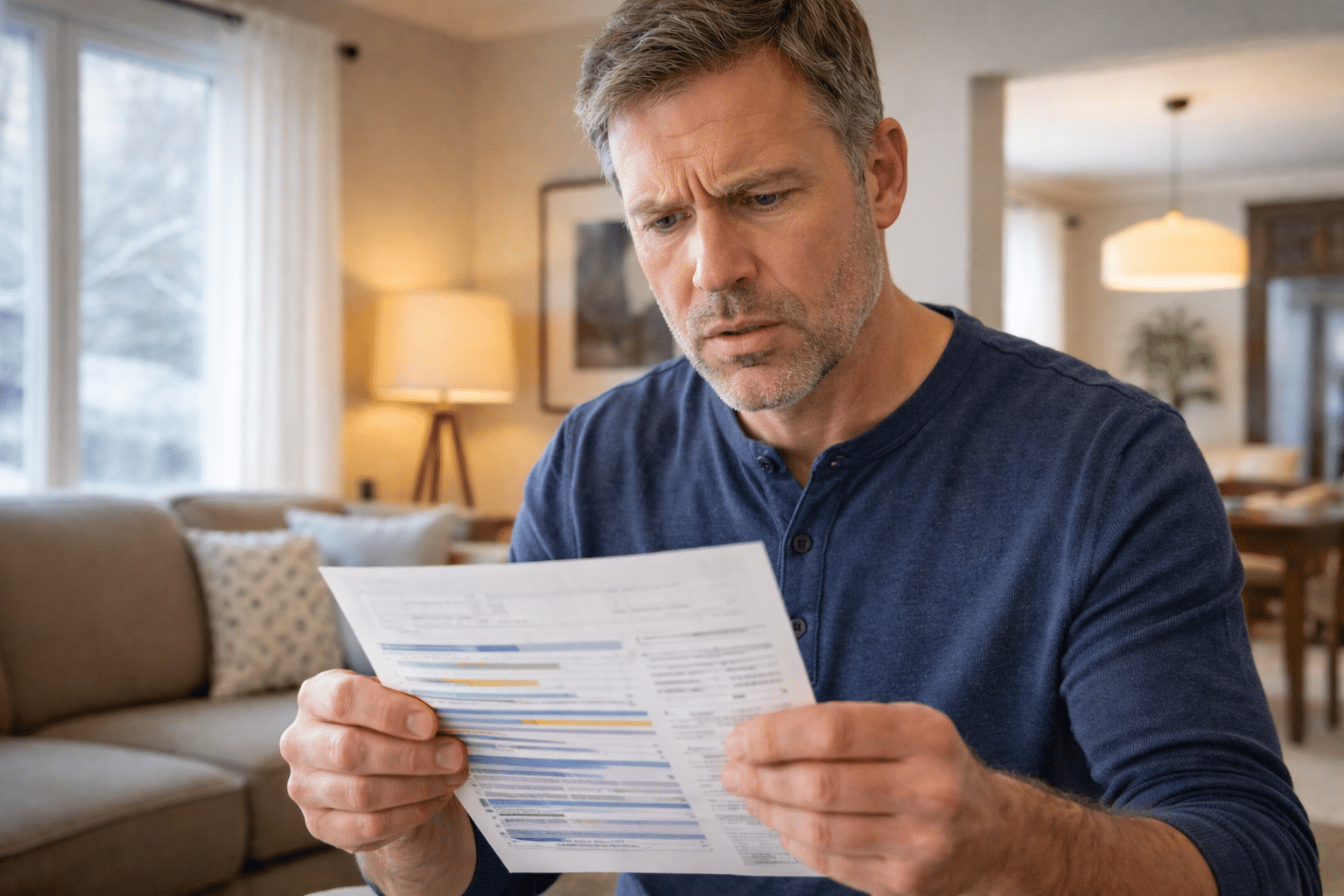
January fades out, February rolls in, and then it happens.
You open your energy bill.
You blink.
You look again.
You wonder if the utility company accidentally billed you for the neighbor’s house too.
Mid-winter energy bills have a way of catching homeowners off guard. Even people who are careful with the thermostat can see a spike this time of year. The tricky part is knowing whether that higher bill is just winter doing what winter does—or if your heating system is quietly working harder than it should.
Let’s break down what’s normal in February, what isn’t, and when it makes sense to take a closer look.
Why February Bills Often Run Higher
By February, your heating system has been running hard for weeks. This is usually the point in winter when everything stacks up at once.
Colder outdoor temperatures mean longer run times.
Your furnace cycles more often and stays on longer.
Shorter days keep lights and electronics on more.
All of that adds up.
There’s also something else going on that most homeowners don’t think about.
Your system isn’t starting winter fresh anymore. It’s tired.
Filters have been collecting dust since fall.
Airflow isn’t quite as clean as it was in November.
Small inefficiencies that didn’t matter early on start to show up now.
A moderate increase in your February bill is normal. A sudden jump is not.
What a “Normal” Increase Looks Like
Every home is different, but here’s a good rule of thumb.
If your February bill is slightly higher than December or January, that’s usually expected. Colder stretches and longer run times will do that.
If your bill jumps noticeably with no change in how you live—same thermostat settings, same routines—that’s when it’s worth paying attention.
Heating systems don’t suddenly become inefficient for no reason. When costs climb fast, something is usually forcing the system to work harder than necessary.
Common Reasons February Bills Spike
Most mid-winter energy surprises come down to a few simple issues.
Restricted airflow
A dirty filter or blocked return vent makes your system strain to move air. That strain shows up on your bill.
Uneven heating
Cold rooms cause people to bump the thermostat up, even though the rest of the house may already be comfortable.
Longer run cycles
As outdoor temperatures drop, older or worn systems have to run longer to keep up.
Heat loss you don’t see
Gaps around doors, windows, or attic spaces quietly let warm air escape. Your furnace keeps replacing heat that never stays put.
None of these problems cause an immediate breakdown. They just cost you money, month after month.
When a High Bill Is a Red Flag
Here’s when a February bill deserves a second look.
Your bill is significantly higher than the same month last year.
The system runs constantly but comfort hasn’t improved.
Some rooms stay chilly no matter what you do.
You hear new noises that weren’t there earlier in the season.
These are signs the system isn’t operating efficiently anymore. It may still be heating the house, but it’s doing it the hard way.
That’s when small problems tend to grow into bigger ones—usually at the worst possible time.
A Few Safe Things Homeowners Can Check
You don’t need to open anything or touch the system itself to help.
Make sure your air filter is clean and properly sized.
Check that supply and return vents are open and not blocked by furniture or rugs.
Take a walk around doors and windows and feel for drafts.
These simple checks won’t fix every issue, but they can reduce unnecessary strain.
If everything looks fine and the bill still feels off, that’s your cue.
Why Mid-Winter Is the Right Time to Ask Questions
February is when heating systems show their true condition. By now, any weakness has had time to surface.
Catching efficiency issues now can help prevent:
-
Another spike next month
-
Emergency calls during a cold snap
-
Paying for heat that never makes it into your living space
A professional heating check at this point isn’t about selling anything. It’s about confirming your system is doing what it should—safely and efficiently.

When to Call One Hour
If your energy bill doesn’t make sense, your comfort has slipped, or your system just seems to be working harder than it used to, it’s worth a conversation.
At One Hour Heating & Air Conditioning, we take the time to look at the whole picture—airflow, performance, and how your system is actually operating in real winter conditions. Comfort Club members get priority scheduling and seasonal care that helps prevent these surprises in the first place.
If you’d like clarity instead of guesswork, give us a call. We’ll help you understand what’s normal, what isn’t, and what makes the most sense for your home—no pressure, just straight answers.