


Your Thermostat Says 72°. So Why Does Your House Still Feel Cold?
November 9, 2026
Category: General,
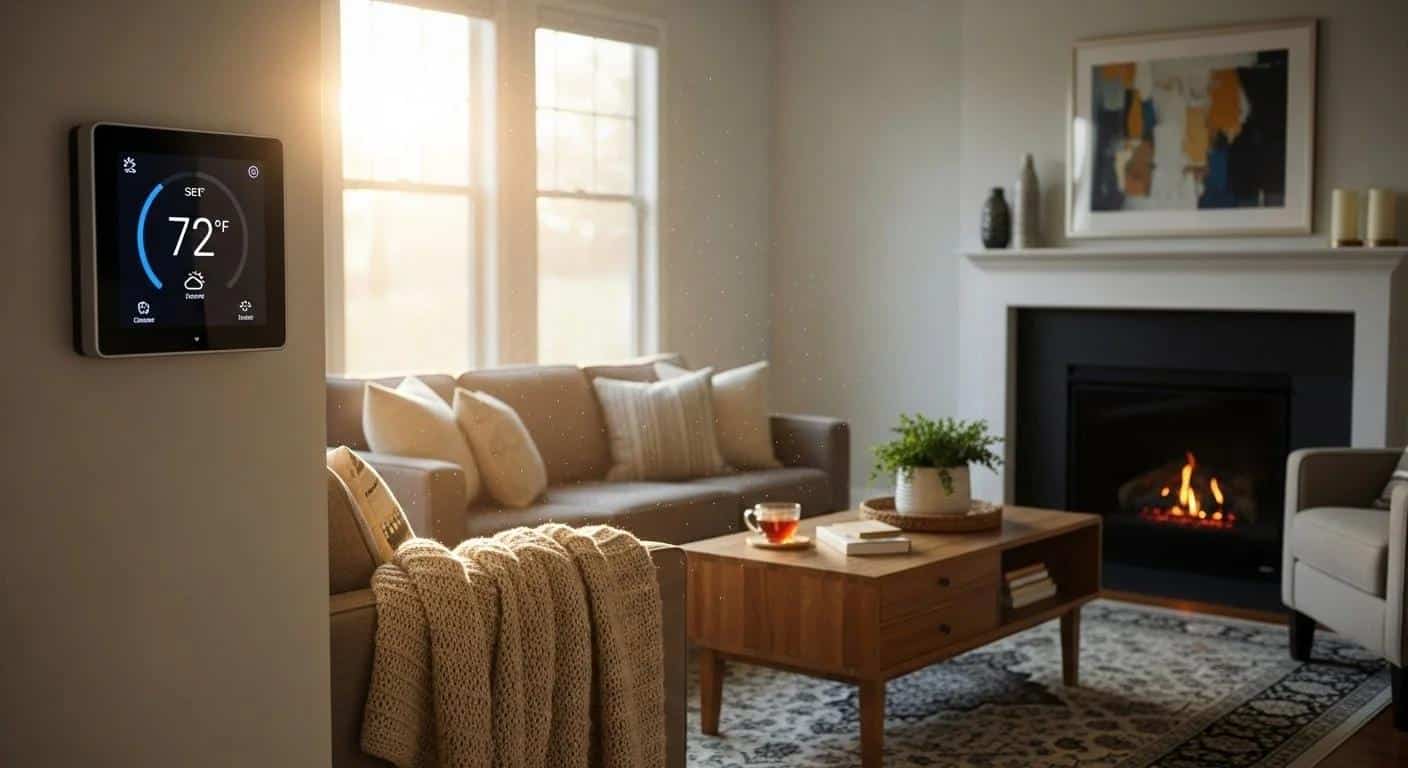
It’s a chilly November morning in Hampton Roads.
You’ve got your coffee, your favorite sweatshirt, and maybe even a blanket wrapped around you while you settle into the living room.
You glance at the thermostat.
72 degrees.
That should be comfortable, right?
So why are you sitting there wondering whether you need another pair of socks?
Before you start accusing your thermostat of lying to you, there’s something you should know.
The temperature on your thermostat is only part of the home comfort equation.
At One Hour Heating & Air Conditioning, we believe the more you know about your home comfort system, the better. And understanding why your home can feel chilly even when the thermostat says otherwise can help you make smarter decisions about your comfort, your energy use, and your HVAC system.
Let’s take a look at what’s really going on.
Your Thermostat Doesn’t Know How You Feel
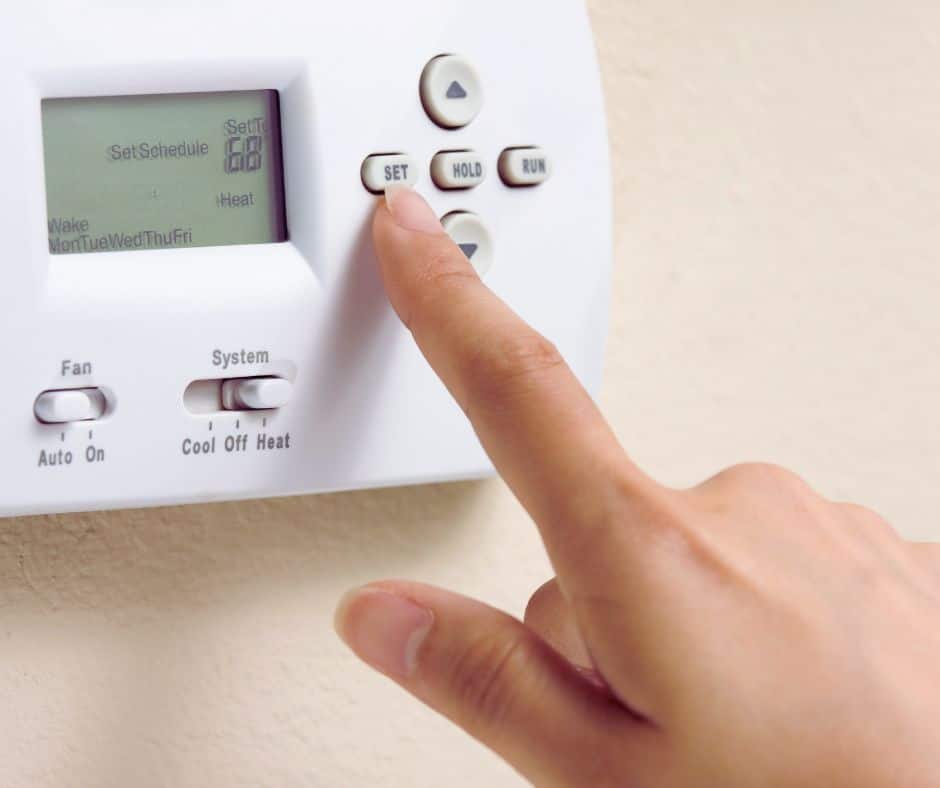
Your thermostat has one primary job: measure the temperature in its immediate surroundings and tell your heating or cooling system when to run.
What it doesn’t know is whether you’re sitting next to a drafty window, whether the floor beneath your feet is cold, or whether the air in your bedroom feels completely different from the air in your hallway.
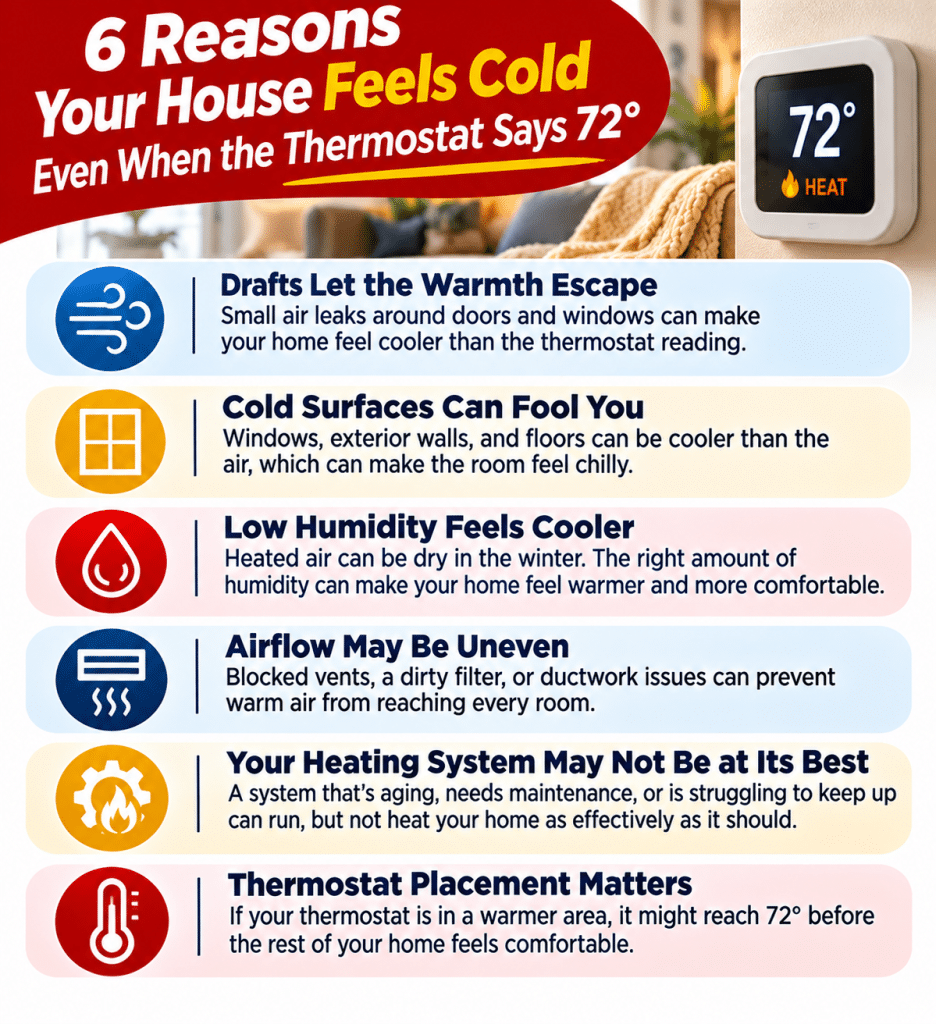
For example, your thermostat might be located in a central hallway where the temperature is a comfortable 72 degrees.
Meanwhile, your living room has large windows, an exterior wall, and a draft coming from beneath the front door.
The thermostat thinks everything is just fine.
Your toes strongly disagree.
That’s because the temperature of the air isn’t the only thing that determines how warm or cold you feel.
Cold Windows and Walls Can Make You Feel Chilly
Here’s something many homeowners don’t realize.
Even when the air in a room is warm, cold surfaces can make you feel uncomfortable.
During cooler weather, windows, exterior walls, and poorly insulated areas can become significantly colder than the air inside your home.
Your body naturally loses heat to those colder surfaces, which can make a room feel chilly even when the thermostat shows a perfectly reasonable temperature.
Think about sitting beside a large window on a cold evening.
The room may be 72 degrees, but that spot next to the glass feels much colder than the chair on the opposite side of the room.
That’s not necessarily your heating system’s fault.
It may be a sign that your home’s insulation, windows, or air sealing could use some attention.
What can you do?
Start with the basics. Close curtains or blinds at night to help reduce heat loss through windows. Check around doors and windows for drafts, and consider weatherstripping or sealing obvious air leaks.
You don’t always need to turn up the thermostat to feel warmer.
Sometimes, you just need to stop letting the warmth escape.
Humidity Matters in Winter, Too
We talk a lot about humidity during our hot, sticky Virginia summers.
Usually, the conversation is about having too much of it.
But during heating season, the opposite problem can develop.
Cold outdoor air generally contains less moisture than warm summer air. When that air enters your home and gets heated, its relative humidity drops.
The result?
Your home may feel noticeably drier.
You might notice static electricity, dry skin, irritated sinuses, or that familiar little shock when you touch a doorknob.
And while dry air doesn’t automatically make the room’s temperature lower, it can affect how comfortable you feel.
Maintaining an appropriate indoor humidity level can help improve comfort.
For many homes, a relative humidity range of roughly 30% to 50% is a reasonable general target, although the best level depends on outdoor temperatures, your home’s construction, and whether condensation is forming on windows.
A simple hygrometer can help you keep track of indoor humidity.
If your home is consistently too dry, a whole-home humidifier may be worth discussing with an HVAC professional.
Just remember that more humidity isn’t always better. Too much moisture can encourage mold growth and other indoor air quality problems.
Like most things in home comfort, balance is the goal.
Your Home May Have an Airflow Problem
Have you ever noticed that one room in your house feels perfectly comfortable while another seems to have its own climate?
Maybe the living room is warm, but the bedroom at the end of the hallway feels like someone left a window open.
Or perhaps the upstairs rooms are comfortable while the downstairs stays chilly.
Uneven heating can happen for several reasons, including differences in insulation, room location, ductwork, and airflow.
Your HVAC system needs to distribute conditioned air throughout your home.
When airflow is restricted or poorly balanced, some rooms may receive less warm air than others.
A few things to check include:
- Air filters: A clogged filter can restrict airflow and make your system work harder.
- Supply vents: Make sure furniture, rugs, or curtains aren’t blocking the flow of warm air.
- Return vents: These are just as important. Your system needs a clear path for air to return.
- Room temperatures: Pay attention to whether certain rooms are consistently colder than others.
Yes, we’re mentioning the air filter again.
We know.
At this point, it’s practically a recurring character in our blog series.
But that’s because something so simple can have a surprisingly large effect on how well your system operates.
If you’ve checked the obvious things and certain rooms still won’t warm up, it may be time to have a professional evaluate your system’s airflow and ductwork.
Your Heating System Might Not Be Performing Like It Should
Sometimes, the problem really is your HVAC system.
A heating system can still run without operating at its best.
You may notice that it takes longer to warm your home, runs more frequently than expected, or struggles to maintain comfortable temperatures in certain areas.
Possible causes include restricted airflow, thermostat issues, equipment wear, ductwork problems, or other mechanical concerns.
The important thing is to look for changes.
Has your system always heated the house this way?
Or have you noticed that it’s taking longer to warm up, certain rooms are colder than they used to be, or your energy bills are increasing without an obvious explanation?
Those changes can be useful clues.
And if your heating system is making unusual noises, producing unexpected odors, or struggling to reach the temperature you’ve selected, don’t ignore it.
A professional inspection can help determine whether the problem is related to the equipment, airflow, or something else affecting your home’s comfort.
Should You Just Turn Up the Thermostat?
We understand the temptation.
You’re cold. The thermostat says 72. So you turn it up to 76.
Problem solved!
Well, maybe.
Increasing the thermostat setting will generally make your heating system run longer, but it doesn’t necessarily address why your home felt uncomfortable in the first place.
And here’s a common misconception worth clearing up:
Turning your thermostat way up doesn’t usually make your home heat up faster.
With most conventional heating systems, setting the thermostat several degrees higher simply tells the system to keep heating until it reaches that higher temperature.
Some multi-stage systems and heat pumps may respond differently depending on their controls, but cranking up the temperature isn’t a reliable shortcut to instant warmth.
You could end up using more energy without solving the underlying comfort issue.
Before reaching for the thermostat, consider whether drafts, cold surfaces, humidity, or uneven airflow might be contributing to the problem.
Sometimes a small adjustment around the house can make a noticeable difference.
Don’t Forget About Your Ceiling Fans
Here’s another simple comfort trick that doesn’t get enough attention during the colder months.
Your ceiling fans.
We usually think of fans as something that helps keep us cool during summer.
But many ceiling fans have a reverse setting designed for winter use.
Warm air naturally rises, which means some of the heat you’re paying for can collect near the ceiling.
Running a ceiling fan slowly in the appropriate winter direction can help redistribute that warm air throughout the room.
On many fans, that’s clockwise when viewed from below, although you should check your fan’s instructions.
The goal is gentle air circulation without creating a noticeable breeze.
Because when you’re already cold, the last thing you need is a fan making you feel like you’re sitting outside.
A Comfortable Home Is About More Than Temperature
If you’ve been following our blogs, you’ve probably noticed a recurring theme.
Home comfort isn’t just about heating and cooling equipment.
It’s about how everything works together.
Your thermostat, insulation, windows, humidity, airflow, ductwork, and HVAC system all play a role in creating a comfortable indoor environment.
That’s why two homes set to the exact same temperature can feel completely different.
And it’s why simply adjusting the thermostat doesn’t always solve the problem.
At One Hour Heating & Air Conditioning, we want homeowners to understand these connections so they can make informed decisions about their homes.
Sometimes the answer is as simple as replacing a filter or sealing a draft.
Other times, the solution may involve professional maintenance, airflow improvements, or addressing an issue with the heating system itself.
The key is understanding what’s causing the discomfort instead of just trying to overpower it with a higher thermostat setting.
Comfort Club Helps Keep Your System Working Its Best
While your heating system isn’t responsible for every comfort problem in your home, keeping it properly maintained is an important part of the equation.
Our Comfort Club membership makes staying on top of HVAC maintenance easier.
Members enjoy annual precision tune-ups, priority service, free air filters, up to 30% off repairs, and savings on new home comfort systems.
Regular maintenance gives our technicians an opportunity to evaluate your equipment, identify developing problems, and help you better understand how your system is performing.
And when something doesn’t feel right, having a trusted home comfort partner who knows your equipment can make all the difference.
The Bottom Line: Trust Your Comfort, Not Just the Number
Your thermostat may say 72 degrees.
But if you’re still reaching for a blanket, wearing two pairs of socks, or avoiding that one mysteriously cold room, something else may be affecting your comfort.
Pay attention to drafts, cold windows, indoor humidity, and how warm air moves throughout your home.
And if your heating system isn’t performing the way it should, don’t wait until the coldest night of the year to have it checked.
At One Hour Heating & Air Conditioning, we’re here to help you understand your home comfort system and keep it operating reliably throughout the heating season.
Because your home should feel comfortable, not just look comfortable on the thermostat.
And if your thermostat insists everything is fine while you’re sitting there wrapped in three blankets, maybe it’s time to get a second opinion.
Not feeling as comfortable as you should? Give One Hour Heating & Air Conditioning a call. We’re here to help you get to the bottom of it!