



Why Older AC Systems Struggle the Most During the First Real Heat Stretch
June 12, 2026
Category: General,
Every year, it happens.
Spring gives us a few warm days that make us think summer has arrived, only to follow them up with cool mornings and mild afternoons. During that time, many air conditioning systems seem to be doing just fine.
Then the first real heat stretch arrives.
Suddenly, temperatures climb into the upper 80s and 90s. Humidity settles in. Your air conditioner runs for longer periods. And for many homeowners, that’s when they discover their system isn’t quite as ready for summer as they thought.
If your air conditioning system is more than 10 years old, there’s a good chance it will have a tougher time handling those first sustained hot days. That doesn’t necessarily mean it’s about to fail, but it does mean it’s working harder than it used to.
Let’s look at why.
The Difference Between a Warm Day and a Heatwave
Cooling your home on a pleasant 78-degree afternoon is very different from cooling it during a week of mid-to-high 90-degree temperatures with Hampton Roads humidity hanging in the air.
During mild weather, even an aging system can often keep up without much trouble.
When the first real heatwave arrives, however, your system may run for hours at a time instead of cycling on and off throughout the day. That extended runtime places additional stress on every component, especially in older equipment.
It’s a bit like taking a car that’s only been driven to the grocery store all spring and suddenly asking it to tow a boat across the state.
Age Brings Wear and Tear
No matter how well a system has been maintained, time eventually catches up with mechanical equipment.
As air conditioners age, components naturally experience wear that can affect performance.
Some common examples include:
- Capacitors weakening over time
- Fan motors losing efficiency
- Coils becoming dirty or corroded
- Electrical connections loosening
- Refrigerant systems becoming less effective
Individually, these issues may not seem significant. Together, they can make an older system struggle when demand is highest.
Efficiency Changes Over Time
Even if your older air conditioning system is operating exactly as it was designed to, there’s one important reality to remember: it was designed for a different era.
HVAC technology has come a long way over the past decade. Modern air conditioning systems are built to deliver improved energy efficiency, better humidity control, quieter operation, and more consistent comfort than many systems installed 10 to 15 years ago.
At the same time, no mechanical system becomes more efficient with age. As years of operation add up, normal wear and tear can gradually impact performance. Dirty or aging components, declining airflow, and reduced system efficiency often mean your air conditioner has to work harder and run longer to achieve the same results it once delivered with ease.
The result is often a system that still works, but doesn’t work as well as it used to.
Homeowners may begin noticing:
- Higher utility bills
- Longer cooling cycles
- Increased indoor humidity
- Uneven temperatures from room to room
- More frequent repair needs
Many homeowners assume these changes are simply part of living through a hot summer. In reality, they can be signs that an older system is beginning to struggle to keep up with modern comfort expectations.
If your system is more than 10 years old, it may be worth exploring how today’s high-efficiency equipment compares to what you’re currently using. Many homeowners are surprised by the improvements in comfort, performance, and energy savings available with newer systems.
In some cases, the reduction in monthly operating costs alone is enough to make replacement worth considering long before a complete breakdown occurs.
Humidity Becomes a Bigger Challenge
One of the biggest surprises for homeowners is discovering that their home feels uncomfortable even when the thermostat says the temperature is where it should be.
That’s because comfort isn’t just about temperature.
Humidity plays a major role in how cool your home feels.
As systems age, they often become less effective at removing moisture from the air. During the first major heat stretch of summer, homeowners may notice:
- Sticky indoor air
- Rooms feeling warmer than the thermostat setting
- Longer cooling cycles
- Reduced overall comfort
In coastal areas like Hampton Roads, managing humidity is often just as important as managing temperature.
Setting Realistic Expectations
One of the most common questions homeowners ask during extreme heat is:
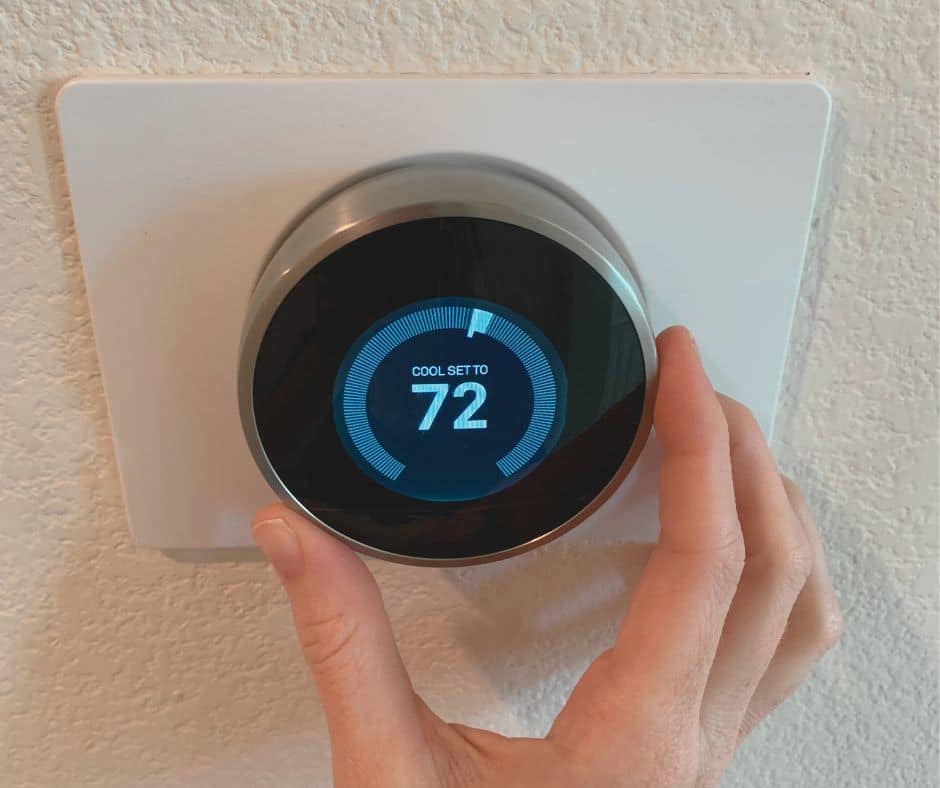
“Why won’t my house stay at 72 degrees?”
The reality is that even healthy air conditioning systems have limits.
Most residential systems are designed to maintain temperatures approximately 15 to 20 degrees cooler than the outdoor air temperature. During periods of extreme heat, it is normal for systems to run longer and for indoor temperatures to fluctuate slightly.
Older systems may struggle even more.
That doesn’t necessarily mean something is broken. It may simply mean the system is operating at its maximum capacity.
Understanding these realistic expectations can help homeowners distinguish between normal performance and signs of a developing problem.
The 10-Year Mark and Why It’s Important
There’s nothing magical about ten years. Some systems last longer and some do not.
However, once a system reaches the 10-year mark, homeowners often begin to notice:
- More frequent repairs
- Higher utility bills
- Longer run times
- Uneven cooling
- Reduced humidity control
That doesn’t automatically mean replacement is necessary.
It does mean it’s a great time to start gathering information and understanding your options before a breakdown makes the decision for you.
Signs Your Older System May Need Attention
While some longer runtime is normal during hot weather, certain warning signs should not be ignored.
Watch for:
- Warm air coming from vents
- Uneven temperatures throughout the home
- Unusual noises
- Excess humidity indoors
- Frequent cycling on and off
- Rising utility bills
- Frequent repair needs
If you notice several of these symptoms at once, it may be time for a professional evaluation.
Why June Is the Perfect Time to Explore Replacement Options
Many homeowners wait until their system completely fails before considering replacement.
Unfortunately, that’s often the most stressful and expensive time to make a decision.
When your AC stops working during a July heatwave, you’re making an important purchase under pressure. Comfort becomes urgent, schedules fill quickly, and nobody enjoys comparing equipment options while sweating through the hottest week of the year.
That’s why June is such a smart time to explore your options.
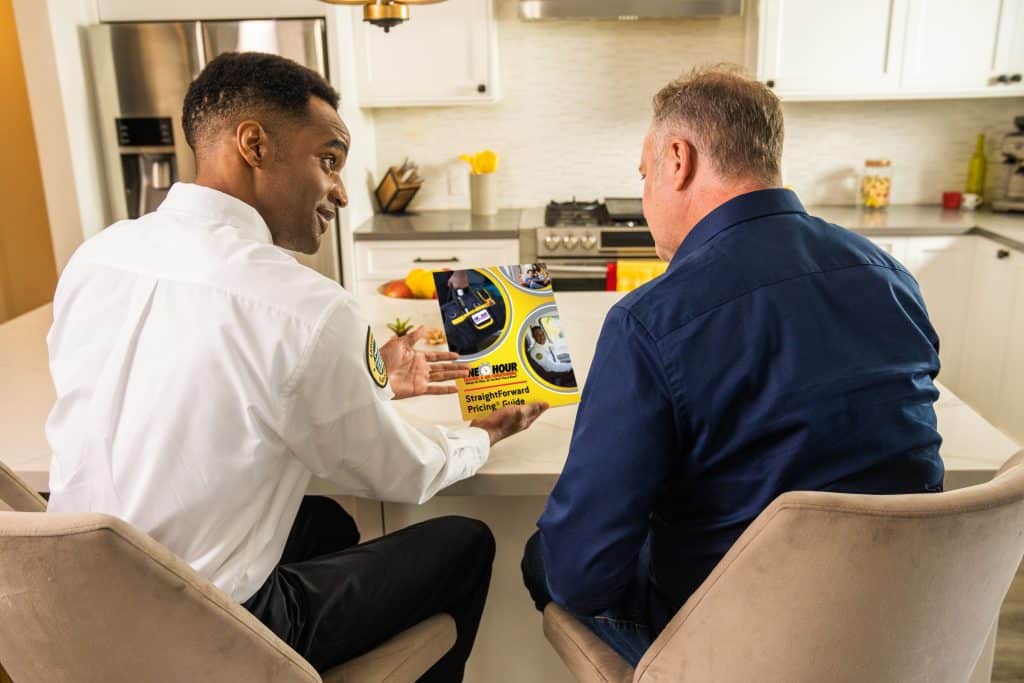
Meeting with a Comfort Advisor now gives you the opportunity to:
- Understand the condition of your current system
- Compare today’s high-efficiency equipment
- Learn about available financing options
- Review warranty coverage
- Plan ahead before an emergency forces the decision
The best part? A replacement consultation costs nothing and comes with no obligation.
Even if you decide not to replace your system this year, you’ll have valuable information to help you make a confident decision when the time comes.
Don’t Let Your AC Make the Decision for You
Every summer, homeowners call after their aging system finally reaches its limit during the first major heatwave.
The better approach is to stay ahead of the situation.
If your air conditioner is more than 10 years old, now is an excellent time to schedule a free in-home replacement consultation with one of our Comfort Advisors.
We’ll evaluate your current system, answer your questions, explain your options, and help you determine whether replacement makes sense for your home and budget.
You may discover your current system still has life left in it.
Or you may discover that replacing it now is the smarter long-term investment.
Either way, you’ll be making the decision on your schedule, not your air conditioner’s.