



What to Do When Your AC Can’t Keep Up During Extreme Heat
June 29, 2026
Category: General,
It’s 98 degrees outside.
The weather app says it feels like 106.
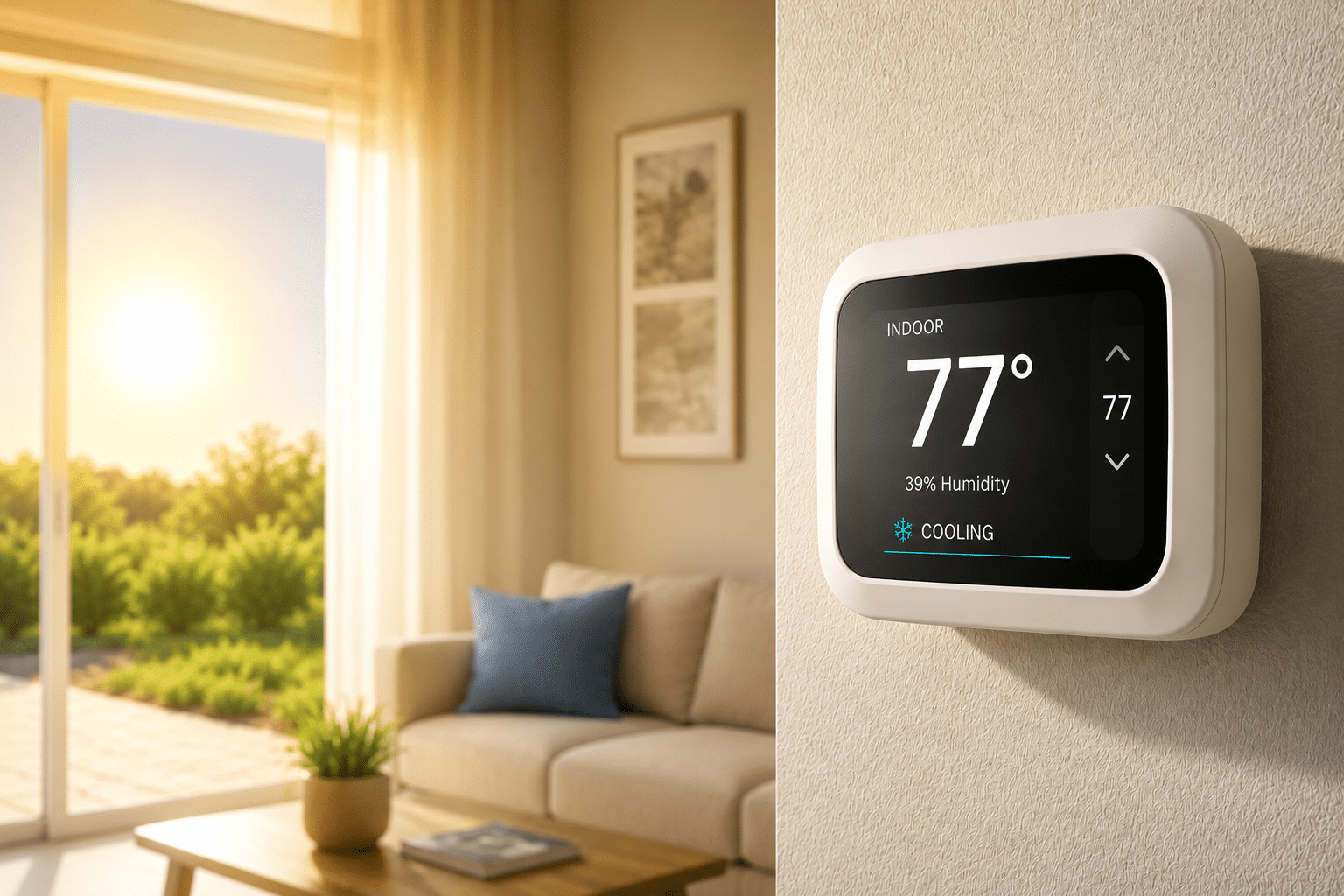
You glance at the thermostat, expecting to see a comfortable 72 degrees. Instead, it reads 76…maybe even 78.
Your first thought?
“My air conditioner must be broken.”
Not necessarily.
During extreme heat, even a healthy, well-maintained air conditioner can struggle to keep up. That’s because every cooling system is designed to handle a certain range of conditions. When Mother Nature decides to crank the thermostat well beyond normal, your AC has to work much harder just to keep your home comfortable.
That doesn’t always mean something is wrong.
But it does mean there are a few things you should know.
Your Air Conditioner Has Limits
Think of your AC like your car climbing a steep mountain.
On a flat highway, it cruises along without much effort. Add a long, steep climb, and suddenly the engine is working much harder. It may slow down a bit, but that doesn’t mean it’s failing.
Your air conditioner works the same way.
Most systems are designed around typical summer temperatures for your area, not record-breaking heat waves. When outdoor temperatures climb into the upper 90s or beyond, your system may run almost continuously just to stay close to the temperature you’ve set.
That’s completely normal.
In fact, during extreme heat, it’s common for indoor temperatures to drift a few degrees above the thermostat setting during the hottest part of the afternoon.
Understanding the “20-Degree Rule”
You’ve probably heard someone say an air conditioner can only cool your home about 20 degrees below the outdoor temperature.
There’s some truth behind that idea, but it’s often oversimplified.
Most residential air conditioning systems are designed to cool the air moving through the system by about 15 to 20 degrees with each pass. On extremely hot days—especially when temperatures climb into the upper 90s or beyond—that means your system may be doing exactly what it was designed to do, even if the thermostat is a few degrees higher than you’d like.
Of course, every home is different. Insulation, air leaks, direct sunlight, humidity, and even how often the doors are opened all affect how cool your home can stay. That’s why two houses with the same air conditioner can perform very differently during a heat wave.
If your home is staying reasonably comfortable and your system is steadily cooling, it may simply be working hard—not failing.
Resist the Urge to Keep Lowering the Thermostat
This is probably the biggest mistake homeowners make.
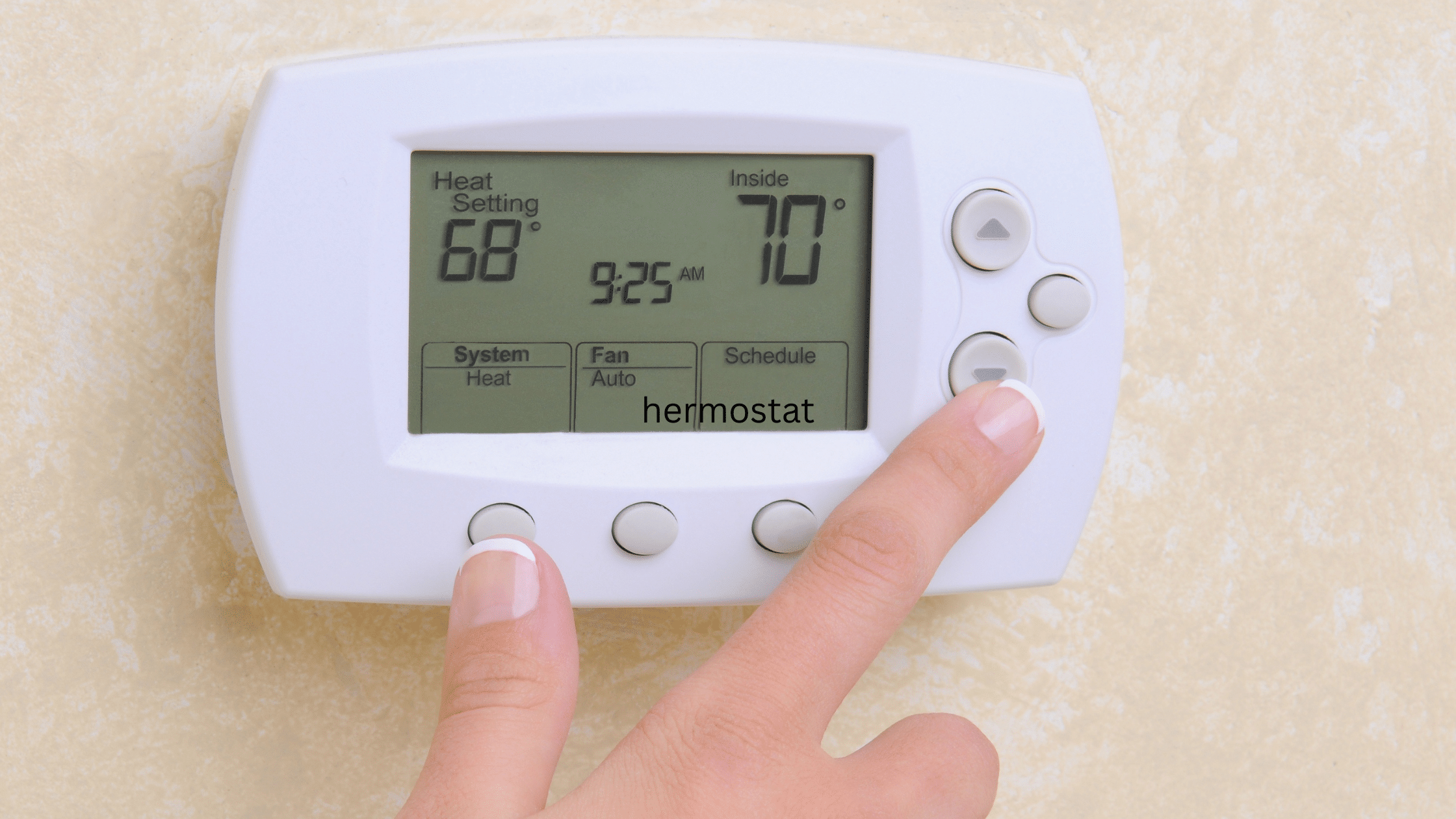
The house feels warm, so the thermostat gets lowered from 74 to 70.
Then to 68.
Then maybe even 65.
Unfortunately, your air conditioner doesn’t cool faster because the thermostat is set lower.
It simply keeps running until it reaches the temperature you’ve selected.
If the system is already operating at full capacity, lowering the thermostat won’t speed things up. It only guarantees your AC will continue running longer, putting even more stress on the equipment.
If your home is holding reasonably steady, the best thing you can do is leave the thermostat alone and let the system do its job.
Help Your AC Out
Your air conditioner shouldn’t have to fight the sun by itself.
A few simple steps can reduce the amount of heat entering your home and make a noticeable difference.
Close blinds or curtains on windows that get direct afternoon sunlight.
Avoid using the oven during the hottest part of the day if possible.
Run bathroom and kitchen exhaust fans only when needed so you’re not pulling conditioned air out of the house.
Make sure furniture, rugs, and curtains aren’t blocking supply or return vents.
If you haven’t changed your air filter recently, check it. A clogged filter restricts airflow and forces your system to work harder than necessary.
These aren’t miracle cures, but together they can lighten your system’s workload during a heat wave.
Know the Difference Between “Working Hard” and “Something’s Wrong”
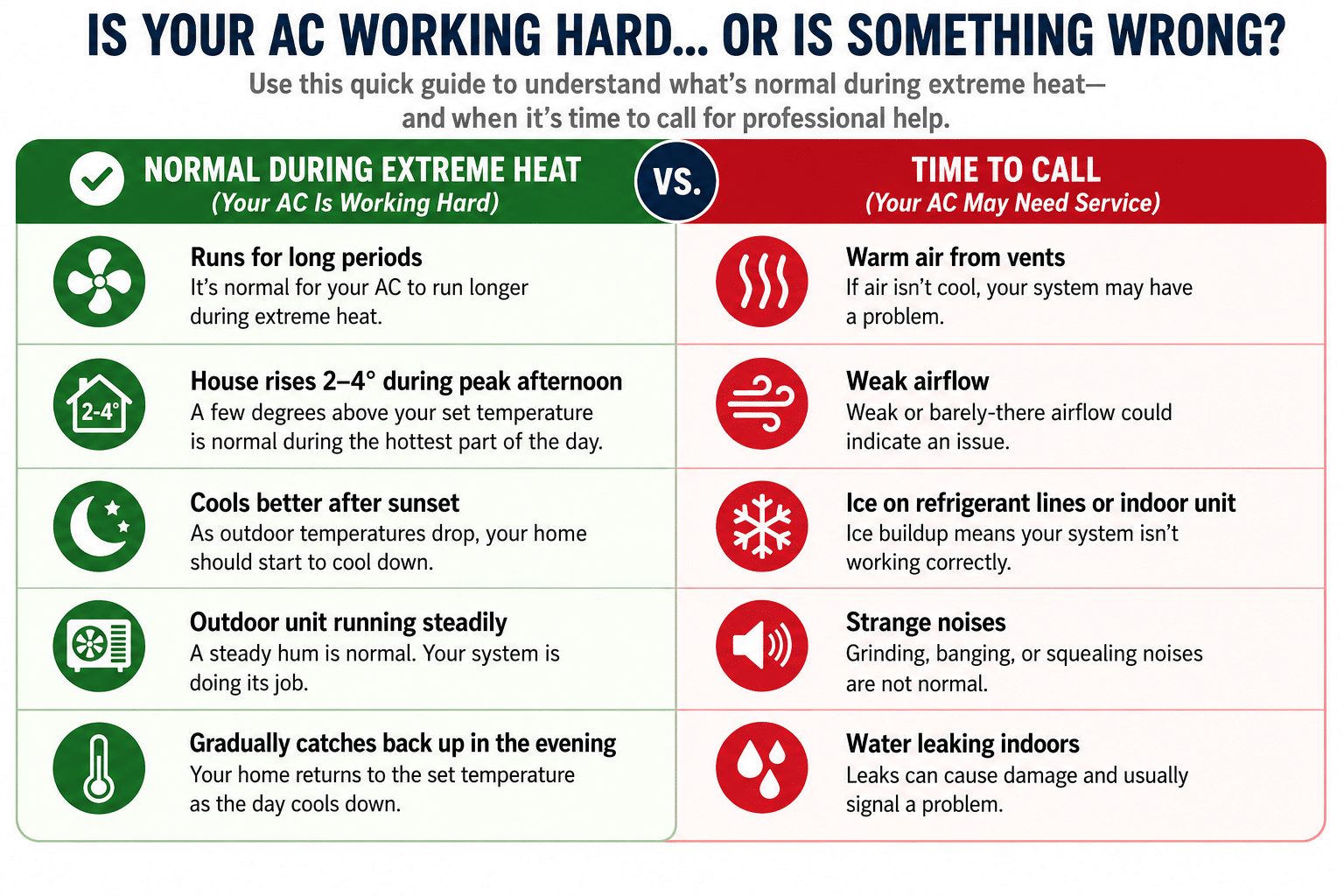
A system that’s running constantly on a 100-degree day isn’t automatically broken.
However, there are signs that tell you it’s time to call for help.
Watch for things like:
- Warm air blowing from the vents
- Weak airflow throughout the home
- Ice forming on the refrigerant lines or indoor equipment
- Strange noises like grinding, buzzing, or banging
- Frequent on-and-off cycling
- Water leaking around the indoor unit
- Indoor temperatures continuing to climb even after sunset
Those aren’t normal signs of a system working hard. They usually point to a problem that should be addressed before it becomes a complete breakdown.
Don’t Wait Until It Stops Completely
Here’s something we see every summer.
A homeowner notices the house isn’t cooling quite like it used to.
Maybe the AC runs longer than normal.
Maybe one room never gets comfortable.
Maybe the electric bill has quietly crept upward.
But the system is still running, so it gets pushed to the bottom of the to-do list.
Then comes the first major heat wave.
That’s when a small issue suddenly becomes a no-cooling emergency.
If your system has been showing signs that something isn’t quite right, don’t wait for the hottest day of the year to have it looked at. Addressing a minor problem early is often faster, less stressful, and less expensive than dealing with a complete failure during peak season.
The Best Time to Call Is Before Everyone Else Does
When temperatures soar, HVAC companies experience their busiest days of the year.
That’s simply the nature of the business.
The sooner you call when you notice a problem, the better your chances of getting it resolved before your system quits altogether.
It’s much easier to schedule service for an air conditioner that’s struggling than one that’s already stopped working.
At the same time, knowing what your system is supposed to do during extreme heat can save you some unnecessary worry. If your AC is running steadily, your home is staying reasonably comfortable, and you’re only seeing the temperature drift up a few degrees during the hottest part of the afternoon, your system may simply be working as designed. Understanding the difference between a system that’s working hard and one that’s showing real warning signs can help you decide when it’s okay to be patient—and when it’s time to give us a call.
Better yet, don’t wait for trouble in the first place.
One of the easiest ways to stay ahead of unexpected breakdowns is by joining our Comfort Club. Regular professional tune-ups help keep your heating and cooling system running at peak efficiency, allowing our technicians to spot small issues before they become major repairs. Members also enjoy discounts on repairs and system replacements, along with priority scheduling when service is needed most.
Think of it as giving your HVAC system the attention it needs to keep delivering reliable comfort—not just through this summer, but for years to come.
Don’t Sweat It Alone
Extreme heat puts every air conditioner to the test. Sometimes a system is simply working as hard as it can. Other times, it’s letting you know it needs professional attention.
At One Hour Heating & Air Conditioning, we’re here to help you stay ahead of problems, not just fix them after they happen. Whether your AC needs a tune-up, a repair, or simply a professional evaluation, our team will take the time to explain what we find and recommend the solution that’s best for your home.
If you’d like to keep your system performing its best all year long, ask us about the Comfort Club. It’s a simple way to protect your investment, improve reliability, and enjoy greater peace of mind through every season.